PRETORIA, 13 NOVEMBER 2026 — The battle for control of the City of Tshwane following the 2026 Local Government Elections is increasingly becoming a question of political arithmetic. But beyond the negotiations, party positions and competition for executive positions lies a more consequential question: what happens to the financial and institutional recovery programme developed under the outgoing administration?
The 2024–2026 administration, led by Executive Mayor Dr Nasiphi Moya and comprising ActionSA, the ANC, the EFF and smaller coalition partners, inherited a municipality facing significant financial and governance difficulties.
As the new political leadership prepares to take over, the administration's record deserves scrutiny — not uncritical praise, but an assessment grounded in financial figures, audit findings, municipal performance and the experiences of residents.
There are measurable improvements that should not be dismissed simply because the political term has ended.
Eskom debt: a significant reduction, not a completed settlement
One of the most notable developments concerns Tshwane's relationship with Eskom.
In December 2024, Eskom announced that the City had entered into a five-year payment arrangement to settle an outstanding debt of approximately R6.66 billion. The agreement was made an order of court on 26 November 2024.
Eskom publicly welcomed the agreement, which required the municipality to honour its current electricity accounts while servicing historical arrears.
According to the City's October 2026 end-of-term report, Eskom debt declined from approximately R6.66 billion in October 2024 to R4.73 billion by March 2026.
This represents a reduction of approximately R1.93 billion.
It is an important financial development, although the outstanding balance demonstrates that the debt has not been eliminated. The payment arrangement also remains conditional on the municipality meeting its obligations.
The next administration will therefore inherit both the progress and the responsibility of maintaining the agreement.
Cash reserves and revenue collection
The City's financial position also showed improvement in the figures presented by the outgoing administration.
Cash reserves reportedly increased from approximately R835 million in October 2024 to around R1.8 billion by July 2026.
The City further reported revenue collection of approximately R43.9 billion during the 2025/26 financial year, representing 98% of its funding plan.
The administration also reported that Tshwane had moved away from four consecutive years of unfunded budgets, with the 2025/26 and 2026/27 budgets presented as fully funded.
These figures suggest improved financial planning and a stronger reported cash position.
However, cash reserves should not be confused with the elimination of municipal debt, and revenue collection targets must ultimately be tested against audited financial statements and the City's outstanding consumer accounts.
Audit performance: progress, but not a clean bill of health
The audit record requires a more nuanced assessment.
The administration reported that the number of audit qualification areas declined from 13 in 2022/23 to six in 2023/24 and two in 2024/25.
That reduction indicates progress in addressing identified weaknesses.
However, the Auditor-General still issued Tshwane a qualified audit opinion for the 2024/25 financial year.
Parliament's Standing Committee on Public Accounts (SCOPA), in its May 2026 statement, also raised serious concerns about the municipality's financial management and service-delivery performance.
Among the issues highlighted were R5.56 billion in debt impairment, R3.27 billion in electricity losses, R1.7 billion in water losses and consumer debt of R20.9 billion.
SCOPA further reported that the municipality spent 103% of its operational budget while achieving only 53% of its planned performance targets.
This is an important distinction: reducing audit qualification areas is not the same as achieving a clean audit.
The outgoing administration can point to improvements, but the remaining weaknesses cannot be ignored.
Beyond the balance sheet: what happened on the ground?
In its end-of-term report, the City outlined several interventions undertaken during the administration's tenure.
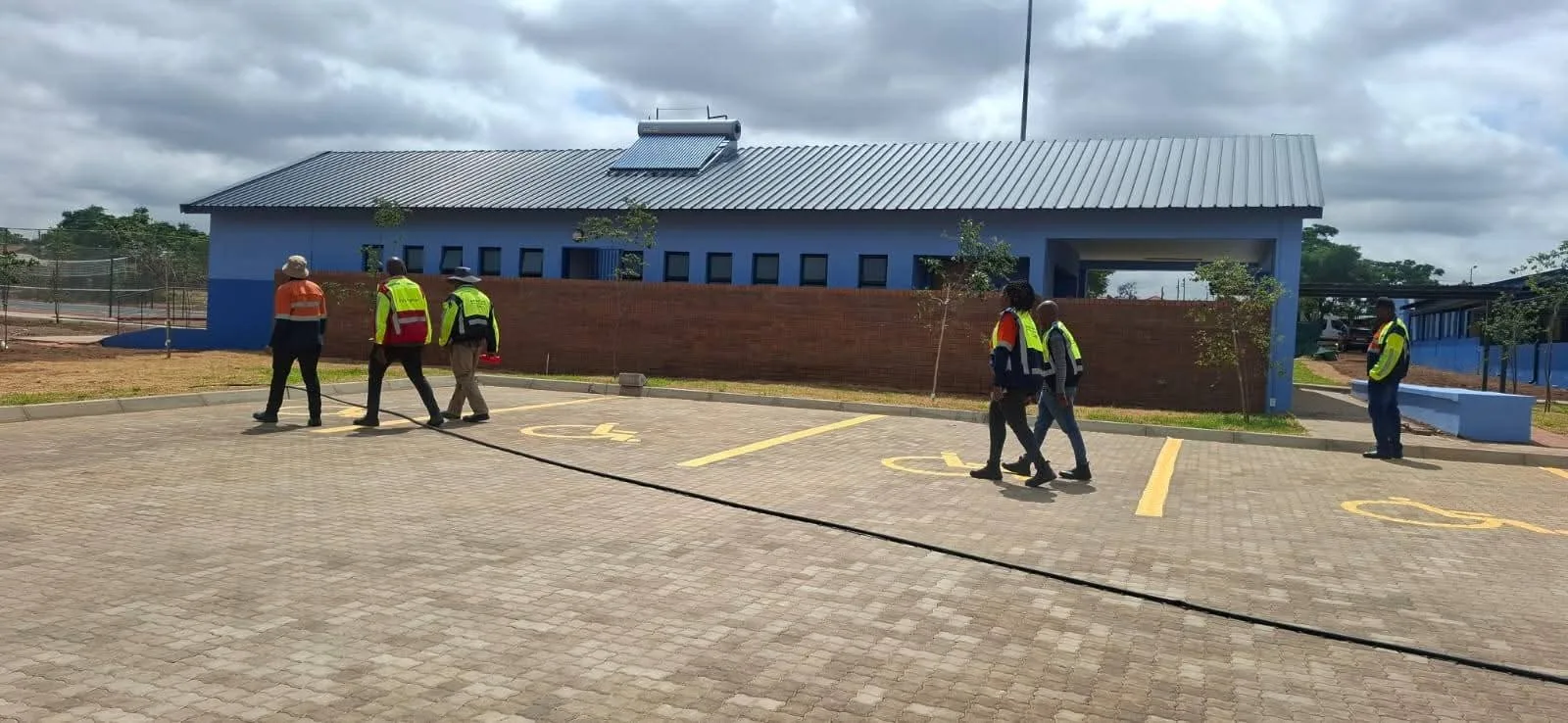
These included the replacement of more than 28 kilometres of water pipelines, connections to sewer services for approximately 2,700 households and the resurfacing of more than 220 kilometres of roads.
The City also reported repairing approximately 21,000 streetlights and 291 high-mast lights.
In human settlements, it reported issuing more than 2,800 title deeds and relocating more than 4,000 qualifying beneficiaries from informal settlements to permanent stands during the 2025/26 financial year.
The administration also reported the removal of more than 19,000 tonnes of illegally dumped waste from October 2025 and approximately 14,000 Expanded Public Works Programme opportunities during 2025/26.
These are figures presented by the City and should be assessed against project completion records, beneficiary verification and independent performance monitoring.
They nevertheless provide a basis for evaluating the administration beyond political statements.
The coalition's record cannot belong to one party alone
Another issue that deserves attention is political accountability.
The administration was a multiparty arrangement. Its achievements and failures cannot fairly be attributed exclusively to ActionSA, the ANC, the EFF or the mayor.
Executive leadership, the Finance portfolio, other MMCs, municipal management and the public administration all played roles in implementing the City's programmes.
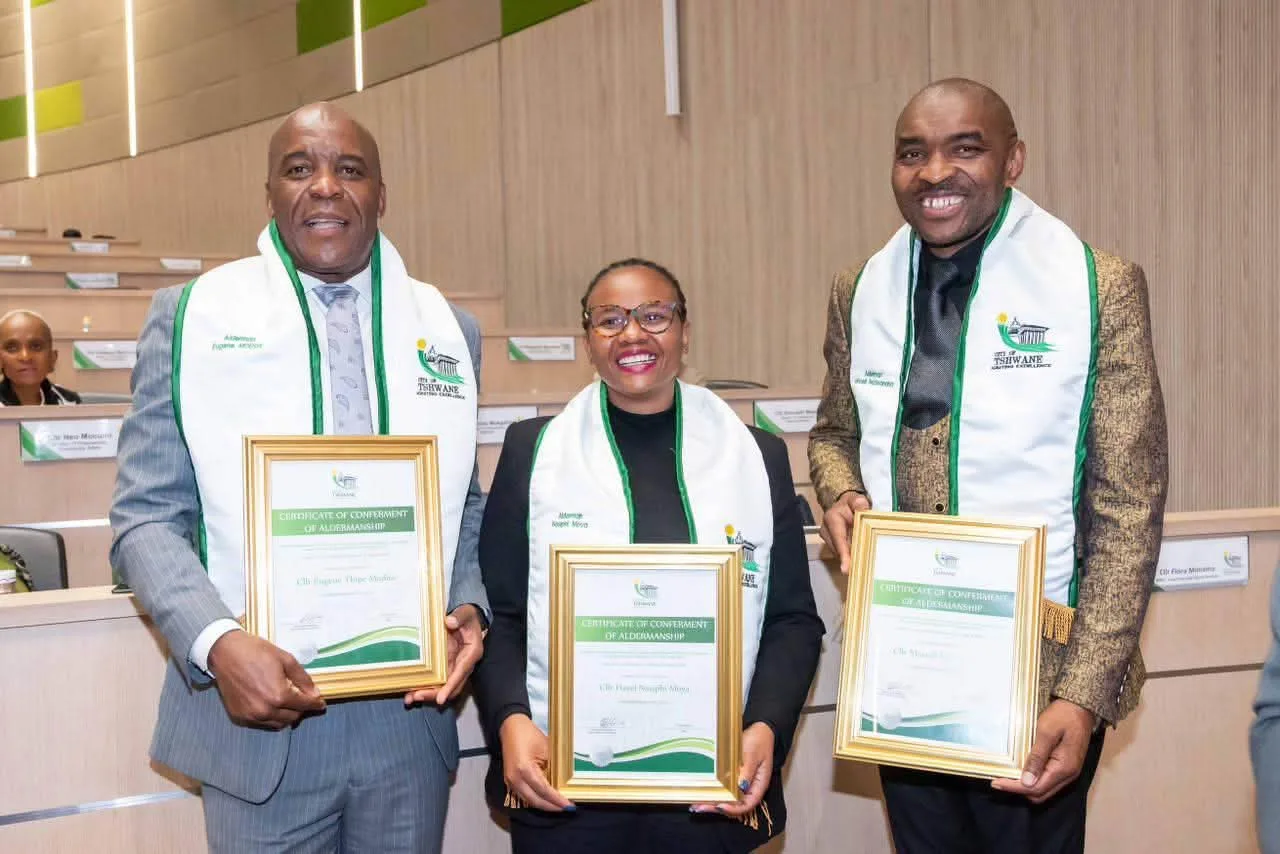
Deputy Mayor and Finance MMC Eugene Modise was among the officials who publicly presented the financial recovery figures. Moya led the executive administration, while the other portfolio heads were responsible for their respective service-delivery programmes.
If the coalition deserves recognition for improvements, accountability for unresolved problems must also be shared.
Equally, the incoming administration should not inherit the City's achievements only to abandon programmes because they were introduced under a different political arrangement.
What does this mean for the incoming Tshwane council?
The 2026 election has produced a 214-seat council without an outright majority.
The DA has 74 seats, ActionSA 48 and the ANC 44. A governing majority requires 108 seats.Consequently, coalition negotiations will determine not only who occupies the mayoral office but also the political and administrative direction of the municipality.
The parties negotiating for power should be asked to explain how they intend to protect the City's financial recovery programme.
Will they maintain the Eskom payment arrangement?
Will they preserve the progress made in cash reserves and revenue collection?
Will they continue strengthening municipal capacity rather than unnecessarily returning to expensive outsourced arrangements?
Will they address the outstanding audit qualifications, electricity losses, water losses and consumer debt?
And, importantly, will they ensure that financial improvements translate into more reliable services for residents?
These questions should form part of any serious coalition agreement.
The real test is continuity, not political ownership
Tshwane does not need a new administration to spend its first months dismantling everything associated with its predecessors.
It needs an administration capable of identifying what worked, correcting what failed and strengthening what remains incomplete.
The outgoing coalition's financial figures provide evidence of progress, particularly in Eskom debt reduction, cash reserves and audit qualification areas. But the qualified audit opinion, substantial municipal losses and service-delivery shortcomings demonstrate that the recovery remains unfinished.
The incoming council should therefore be judged not only by who becomes mayor, but by whether it can sustain the improvements, address the weaknesses and deliver better outcomes to residents.
Political control may change after an election. Municipal responsibilities do not.For Tshwane's residents, the most important question is not which party gets credit for the recovery. It is whether the next administration can protect the progress already made and take the municipality further.