TSHWANE WATER CRISIS
By PJ MOCHE
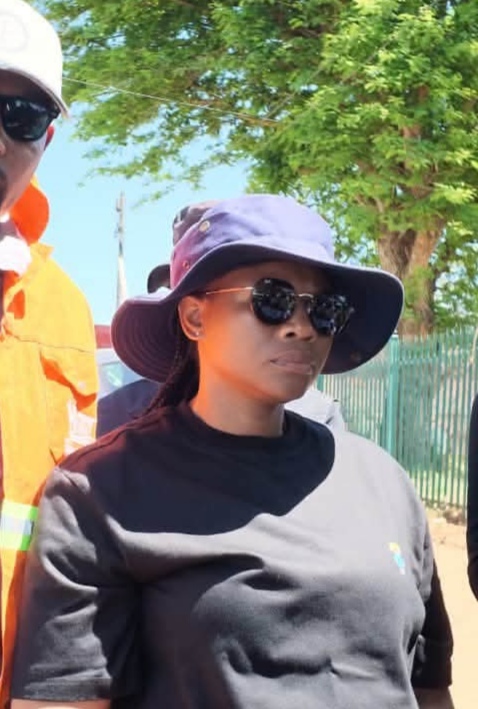
The City of Tshwane's water crisis remains unresolved, with several reservoir systems struggling to recover despite ongoing interventions by municipal technical teams and Rand Water.
The City's latest published supply assessment, dated 3 November, identifies Regions 1, 3, 4 and 6 as areas where water supply remains fragile.
The situation is particularly concerning because some reservoirs are approaching depletion while demand continues to exceed the rate at which available supplies can replenish them.
On Tuesday, 3 November, Moya briefed the media on the rehabilitation of the Bronkhorstspruit Water Treatment Works following the contamination crisis that left hundreds of people ill.
She confirmed that technical teams had repaired critical equipment, cleaned treatment infrastructure and were progressively restoring filtration and chlorination processes.
However, she cautioned that recommissioning the plant does not automatically mean water is safe for consumption.
The treatment process, reservoir disinfection and laboratory testing must first meet the required drinking-water standards.
Moya also expressed dissatisfaction with the preliminary investigation into the contamination crisis, arguing that it concentrated too heavily on the plant manager instead of examining the broader chain of responsibility.
She confirmed that an independent external investigation had been appointed to examine wider institutional failures, including procurement, supply-chain management and operational oversight.
Aaron Maluleka: Assurance on municipal tanker water
Maluleka previously addressed concerns about the safety of water distributed through municipal tankers.
In comments reported on 26 October, he said tanker water was subjected to continuous quality-control measures and regular testing.
He explained that the tankers drew water from Cullinan Reservoir, independently of the affected Bronkhorstspruit water supply systems.
He assured residents that there was no indication that the tanker water was contaminated and that it was safe for human consumption.
EDITORIAL POSITION
The City must distinguish between three separate issues: water availability, water infrastructure failures and water quality.
A community receiving water does not necessarily mean the water is safe to drink.Equally, a treatment plant being recommissioned does not mean reservoir levels and household supply have recovered.
The public needs verifiable figures, restoration timelines and clear accountability.
- #Municipal