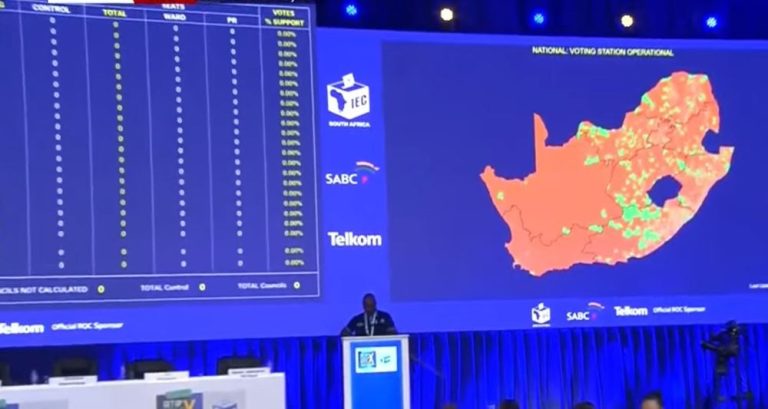
ActionSA emerged as the early leader in Tshwane's proportional-representation (PR) vote, although the margin and position of the competing parties have shifted as additional voting districts were processed.
According to figures reported by Joburg ETC at approximately 10:00 on Thursday, ActionSA had 29.7% of the vote, with results from 84 of the municipality's 796 voting districts captured at that stage.
The party's share had declined from an earlier reported 30.9%, illustrating how quickly provisional election figures can change as more voting districts are added.
These figures remain provisional and do not establish which party will ultimately control the municipality.
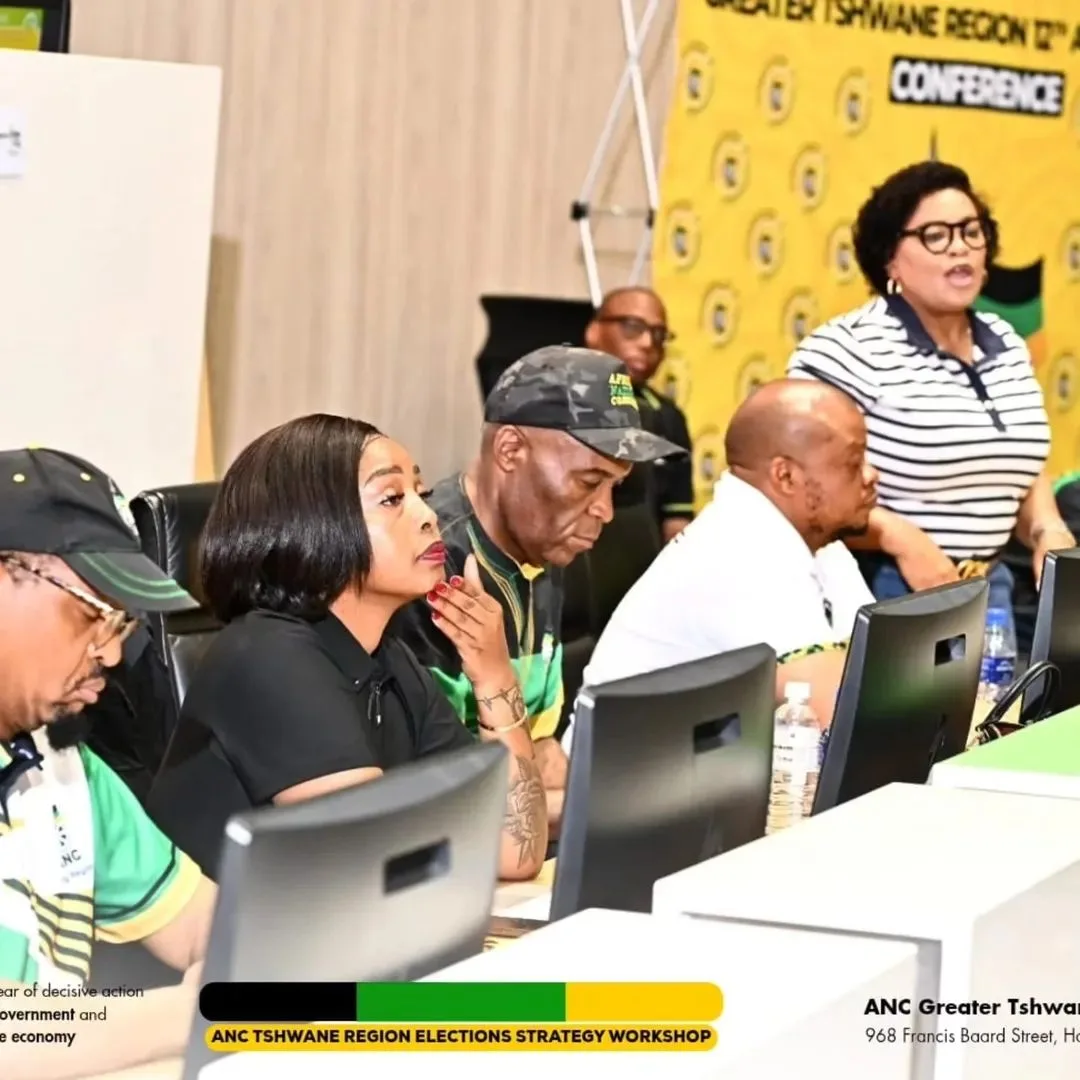
THE ANC AND ACTIONSA CONTESTThe ANC and ActionSA are central to the Tshwane contest.
ActionSA currently holds the mayoralty through Dr Nasiphi Moya, who took office following the political developments that led to the removal of former DA mayor Cilliers Brink in 2024.
ActionSA secured the mayoral position with support from the ANC, demonstrating the importance of coalition arrangements in Tshwane's political landscape.
The 2026 election now presents a fresh test of the parties' electoral support and their ability to negotiate a governing arrangement.
For the ANC, the contest presents an opportunity to strengthen its position in a municipality where it has previously played a decisive role in coalition negotiations.
For ActionSA, the results will be important in determining whether it can retain its influence in the municipality and continue leading the administration.
WHERE DOES THE DA STAND?The DA remains an important player in the Tshwane contest.
Although early figures have placed ActionSA ahead in the PR ballot, the DA's performance across individual wards and the proportional-representation ballot will influence the final distribution of council seats.
The party's eventual position will also matter in determining possible coalition arrangements.
No party should be assumed to have secured municipal control based solely on an early lead in the vote count.
THE COALITION QUESTIONTshwane's next administration will ultimately depend on the final allocation of council seats.
The party receiving the highest percentage of votes does not automatically obtain the mayoralty or an outright majority.
If no party secures enough seats to govern independently, political negotiations will become central to determining the next administration.
Smaller parties could therefore play an important role in coalition discussions.
The final outcome will depend on the number of seats allocated to each party, the willingness of parties to work together and the agreements reached after the results are declared.
WHAT SHOULD RESIDENTS EXPECT FROM THE NEXT ADMINISTRATION?Beyond the political contest, residents will expect the incoming administration to address longstanding municipal challenges.
Water security, electricity infrastructure, road maintenance, waste management, financial accountability and reliable municipal services remain important issues requiring attention.
The election provides residents with an opportunity to choose their representatives, but the responsibility of the incoming council will be to translate electoral mandates into measurable improvements in communities.
For communities across Mabopane, Soshanguve, Ga-Rankuwa, Hammanskraal, Winterveldt and other parts of Tshwane, the political outcome must ultimately be measured against the municipality's ability to deliver basic services.
WHAT HAPPENS NEXT?The Electoral Commission of South Africa (IEC) must complete the counting, verification and declaration processes before the final council composition can be established.
Capital Daily News will continue monitoring the results, including individual ward outcomes, party performance and developments surrounding possible coalition arrangements.
The central question is no longer simply which party is leading the count, but which political arrangement will receive the numbers needed to govern Tshwane.
Capital Daily News –Independent reporting. Public accountability. No political allegiance.