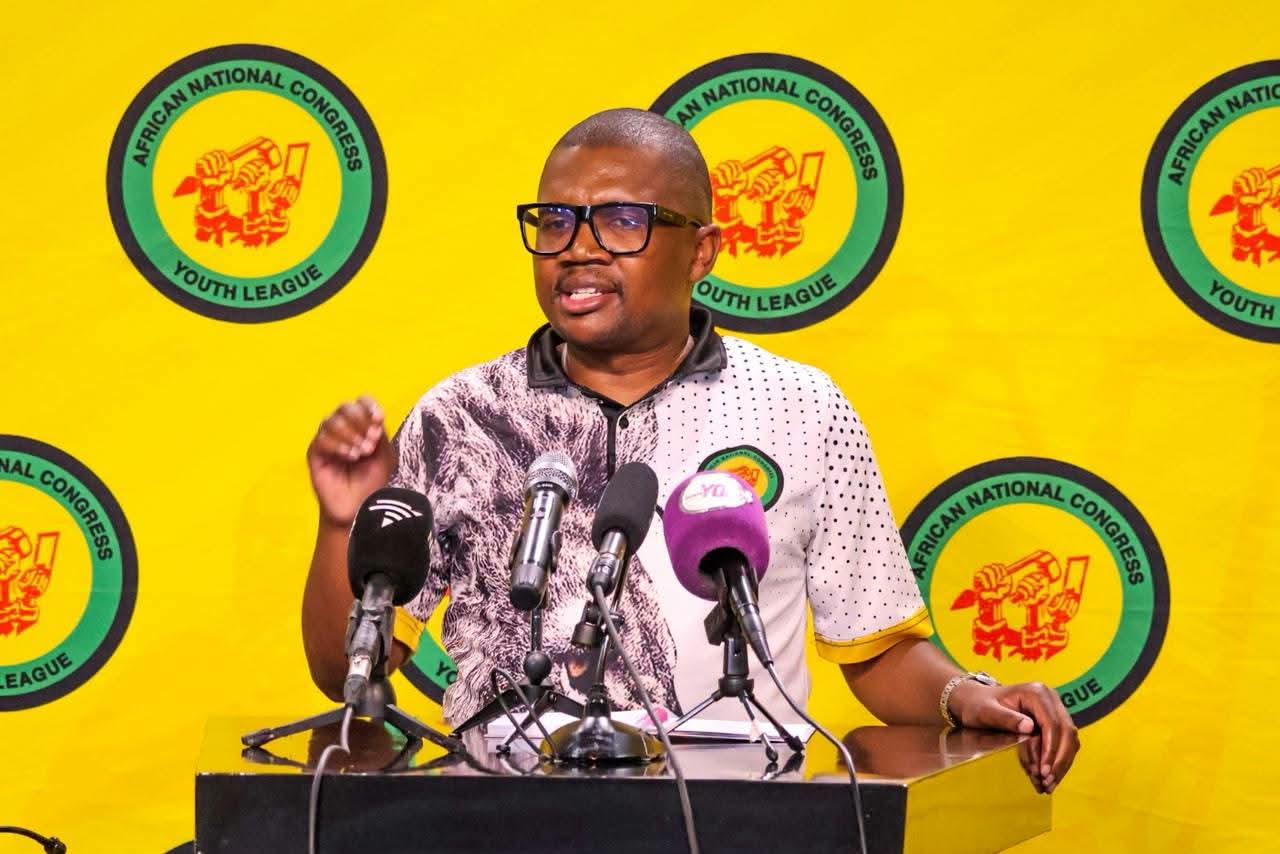
The League argues that the DA's positions on Black Economic Empowerment (BEE), affirmative action and economic redress are fundamentally incompatible with the ANC's historical mission and the objectives of the National Democratic Revolution.
Malatji said the ANC could not use coalition negotiations as an excuse to abandon the principles upon which South Africa's democracy was founded. The ANCYL also wants meaningful representation in coalition negotiations, arguing that decisions about the future of local government and the political direction of the ANC cannot be made without its participation.
According to the League, negotiations should be guided by political programmes, ideological orientation and policy commitments rather than simply the pursuit of political office. The stated objective, it says, should be stable and accountable government that serves communities rather than political and economic elites.
The ANC and DA are currently partners in the Government of National Unity (GNU), despite their significant policy differences and disagreements over economic transformation, affirmative action and other matters.
The youth league's latest position therefore raises questions about whether the ANC can maintain cooperation with the DA at national level while completely excluding it from municipal coalition arrangements.
There is also a distinction between the ANCYL's political demands and the formal position of the ANC's National Executive Committee (NEC). ANC deputy secretary-general Nomvula Mokonyane previously indicated that the party was open to engaging political formations as long as the objective was political stability.
Meanwhile, ANC secretary-general Fikile Mbalula has indicated that the party will assess its options municipality by municipality, including the possibility of sitting in opposition. The ANC's national leadership is expected to determine its formal coalition approach at its NEC meeting on 12 November, with the party's position expected to be communicated thereafter.
Is ideology taking precedence over governing?
The ANCYL's declaration comes at a time when the ANC is dealing with a significant electoral decline. According to Reuters, the ANC secured 30.76% of the national vote in the 2026 municipal elections, compared with 45.59% in 2021.
The party now faces coalition negotiations across numerous municipalities where it cannot govern independently.
The political challenge is therefore not simply identifying parties with similar ideological positions. It is also finding workable governing arrangements that can secure council majorities and deliver municipal services.
There is a legitimate question about whether excluding certain parties before negotiations begin strengthens the ANC's negotiating position or limits its available options.
That question is particularly relevant in municipalities where the electoral arithmetic makes cooperation between historically opposing political formations a possible route to establishing a government.
What happens next?
The ANC's NEC is expected to discuss the party's coalition strategy on 12 November, with the formal position expected to be announced on 13 November, according to reporting on the party's preparations. Until then, the ANCYL's declaration should be understood as the position of the youth league, not automatically as a binding decision of the ANC.
The coming days will establish whether the ANC leadership adopts that position, modifies it or pursues a more flexible approach to municipal coalition negotiations.
The central question is no longer whether the ANC can negotiate with its political opponents. It is whether the party can reconcile its ideological commitments with the realities of governing municipalities in which voters have denied it an outright majority.Capital Daily News will continue tracking the ANC's coalition position and its implications for Tshwane and other hung municipalities.