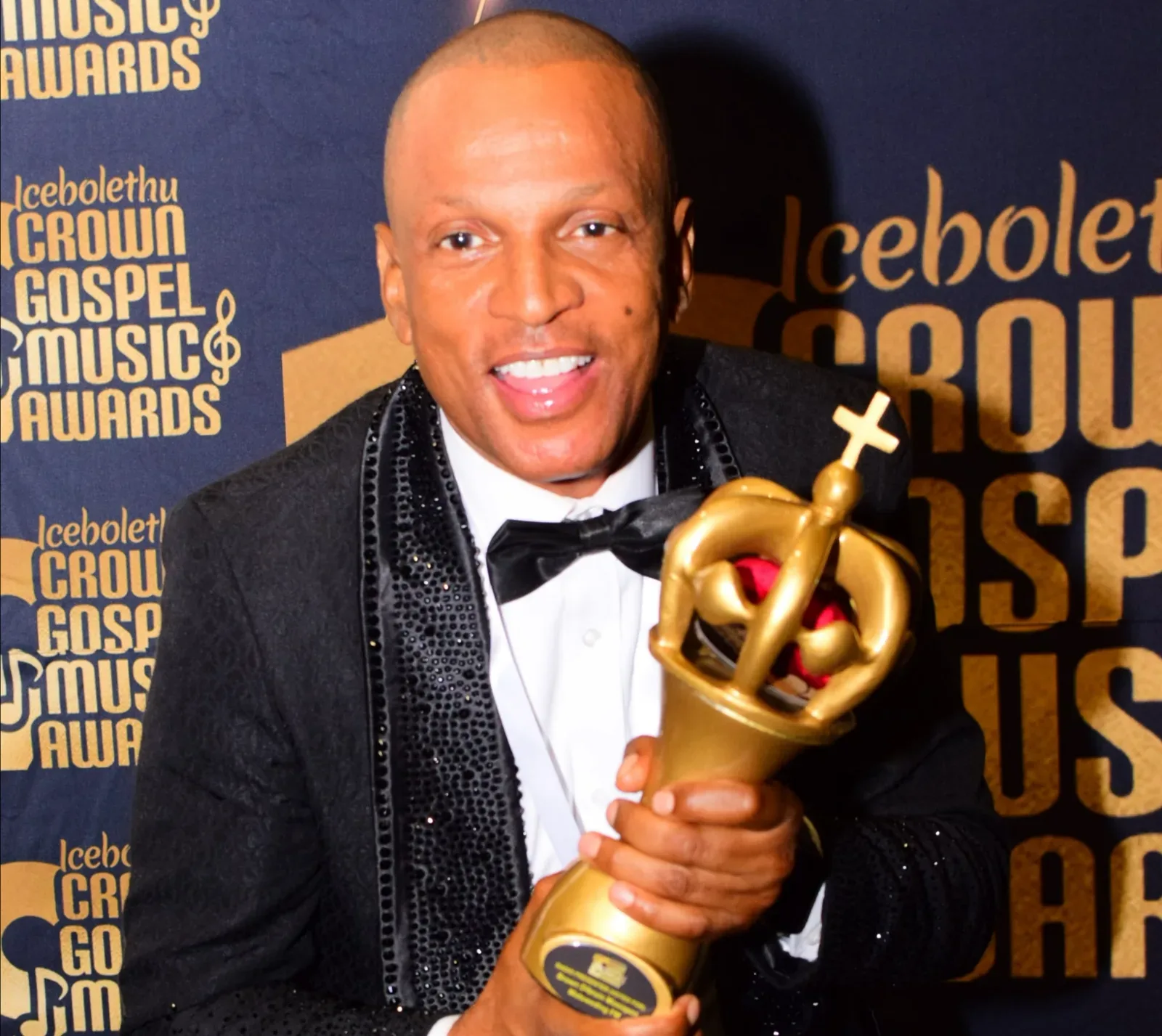
South Africa's Miss South Africa 2026 crowning was expected to be a moment of celebration. Instead, the presentation of a gold-coloured temporary crown to newly crowned queen Tiyani Makamu has become one of the biggest talking points following Saturday night's finale at the Sandton Convention Centre.
The crown, which many social media users have compared to a Burger King crown, has generated criticism, jokes and questions about the presentation of one of the country's most recognisable beauty pageant titles.
However, beneath the online humour lies a more substantive issue: what happened to the Mowana crown, and why was it not used?
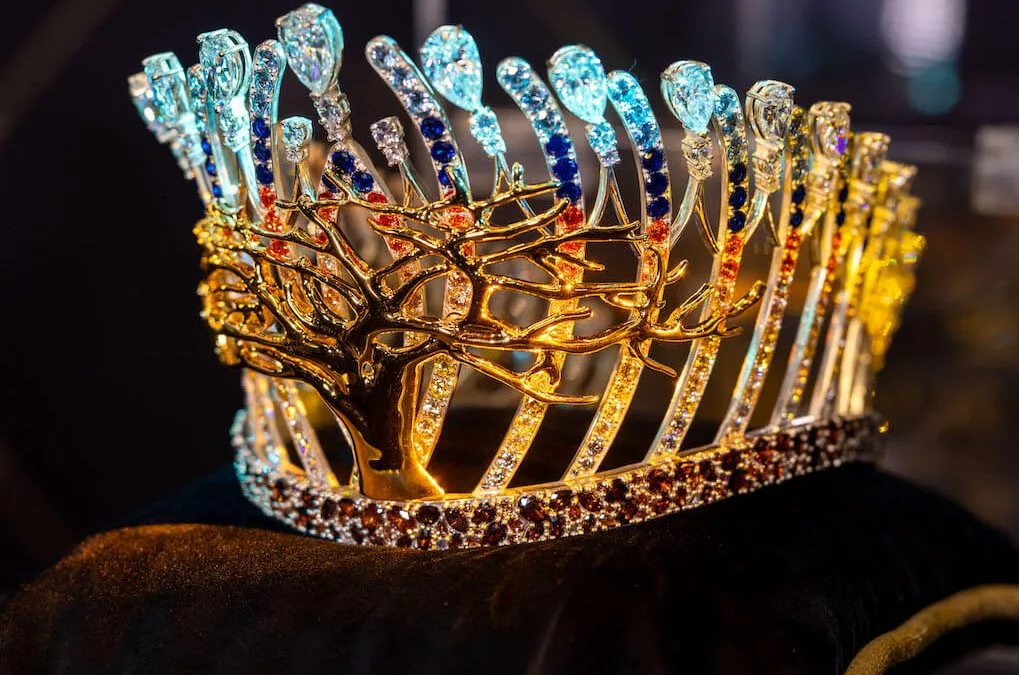
THE MOWANA CROWN AND ITS LEGACY
The Mowana crown, designed and manufactured by South African jewellery brand Nungu Diamonds, became associated with the Miss South Africa title in 2023.
It was worn by Natasha Joubert in 2023, Mia Le Roux in 2024 and Qhawekazi Mazaleni in 2025.
Inspired by the baobab tree, the crown features more than 800 stones, including diamonds, gemstones and cubic zirconia. Its design represented strength, resilience and transformation.
Over three consecutive years, the Mowana crown became a familiar part of the pageant's identity and the visual tradition surrounding the transfer of the title.
Its absence at the 2026 finale therefore did not go unnoticed.
NUNGU DIAMONDS SAYS PERMISSION WAS GRANTED
In a statement released on Sunday, 15 November, Nungu Diamonds confirmed that its sponsorship agreement with the Miss South Africa Organisation was not renewed for 2026.
The company explained that negotiations had taken place in good faith and continued until the final days before the finale, but the two parties could not reach a mutually beneficial agreement.
However, the statement contained a particularly important detail.
Despite the sponsorship impasse, Nungu Diamonds says it granted the organisation permission to use the Mowana crown at the finale as a gesture of goodwill, on the understanding that sponsorship discussions would resume after the event.
The company was explicit about where the decision ultimately rested.
According to Nungu Diamonds, the decision not to use the Mowana crown rested solely with the Miss South Africa Organisation.
The company added that it respected the organisation's decision.
This disclosure raises an important question: if permission to use the previous crown had been granted, why did the organisation choose an entirely different ceremonial piece?
Nungu Diamonds' managing director, Kealeboga Pule, also confirmed in an interview with IOL that the Mowana crown remained in the organisation's possession at the time of the interview and was expected to be returned from Monday.
Pule declined to disclose the specific reasons behind the failed sponsorship negotiations, maintaining that the parties could not find common ground.
He nevertheless expressed pride in the Mowana crown and acknowledged the public's reaction to its absence.
MISS SOUTH AFRICA SAYS THE CROWN WAS TEMPORARY
Following the criticism, the Miss South Africa Organisation issued a statement acknowledging the public reaction.
The organisation clarified that the crown presented during the finale was a temporary ceremonial crown while preparations for the official Miss South Africa crown were being finalised.
It explained that its intention was to give South Africans an opportunity to participate in the journey towards unveiling a new official crown.
The organisation also acknowledged a communication failure, admitting that its intention should have been communicated more clearly before the finale.
It said the lack of context had created unnecessary uncertainty.
During a media briefing, spokesperson Zawadi Dlamini also explained that the new crown, referred to as the Imbokodo crown, was connected to the 2026 theme, From Imbokodo to Diamond.
The organisation intends to involve young designers in the development of the permanent crown, with further details about the process expected to be communicated.
While the intention to introduce a new national symbol may be understood, the timing and execution have become subjects of public scrutiny.
THE QUESTIONS THAT REMAIN
The two statements provide some clarity about the breakdown of the sponsorship relationship and the decision to introduce a temporary crown.
However, several questions remain unanswered.
1. Why was the Mowana crown not used? Nungu Diamonds says permission had been granted. The Miss South Africa Organisation has not publicly provided a detailed explanation for declining that offer./p>
2. What caused the sponsorship negotiations to fail? Both parties acknowledge that they could not reach an agreement, but the specific points of disagreement have not been disclosed.
3. Who designed and manufactured the temporary crown? The organisation has described it as a temporary ceremonial crown, but the public has not been given detailed information about its production, design process or cost.
4. Who will finance the permanent Imbokodo crown? The organisation has announced plans to involve young designers, but questions about funding, procurement and ownership remain.
5. What will happen to the Mowana crown? Nungu Diamonds indicated that it was expected to be returned from Monday, 16 November. Its future use and ownership arrangements should be clarified.
These are legitimate questions for an organisation responsible for a national pageant with a long-established public profile.
MORE THAN A BEAUTY PAGEANT, BUT PRESENTATION STILL MATTERS
The Miss South Africa Organisation has repeatedly emphasised that the competition is evolving beyond conventional beauty standards, placing greater emphasis on leadership, entrepreneurship, advocacy and social impact.
Its official positioning includes the slogan: "The crown is not the prize. The Mandate is."
That philosophy may be central to the organisation's future direction. However, it does not necessarily remove the importance of the symbols, presentation and traditions associated with the institution.
The crown is not merely an accessory. It represents the transfer of a title, the recognition of a winner and the continuity of an institution that has existed for decades.
A new design may well be appropriate. A competition involving young South African designers could also provide an opportunity to showcase local creativity.
But the transition needs to be properly planned and communicated.
THE WINNER SHOULD NOT CARRY THE ORGANISATION'S BURDEN
One important distinction must be maintained throughout this discussion: Tiyani Makamu won the Miss South Africa 2026 competition.
The controversy surrounding the crown is not evidence that she did not deserve the title. Questions about the judging process, the sponsorship negotiations and the crown's presentation should be directed at the organisation responsible for those decisions.
Makamu should be allowed to begin her reign without being made the face of an administrative and commercial disagreement.
The organisation, meanwhile, owes the public a clearer account of how the decision was reached.
For now, the Mowana crown has become the missing piece in a story that was supposed to celebrate a new queen.And perhaps the most important question is not whether South Africans liked the temporary crown.
It is why the organisation chose not to use the previous one when permission was reportedly available.
Capital Daily News will seek further comment from the Miss South Africa Organisation and Nungu Diamonds on the outstanding questions.