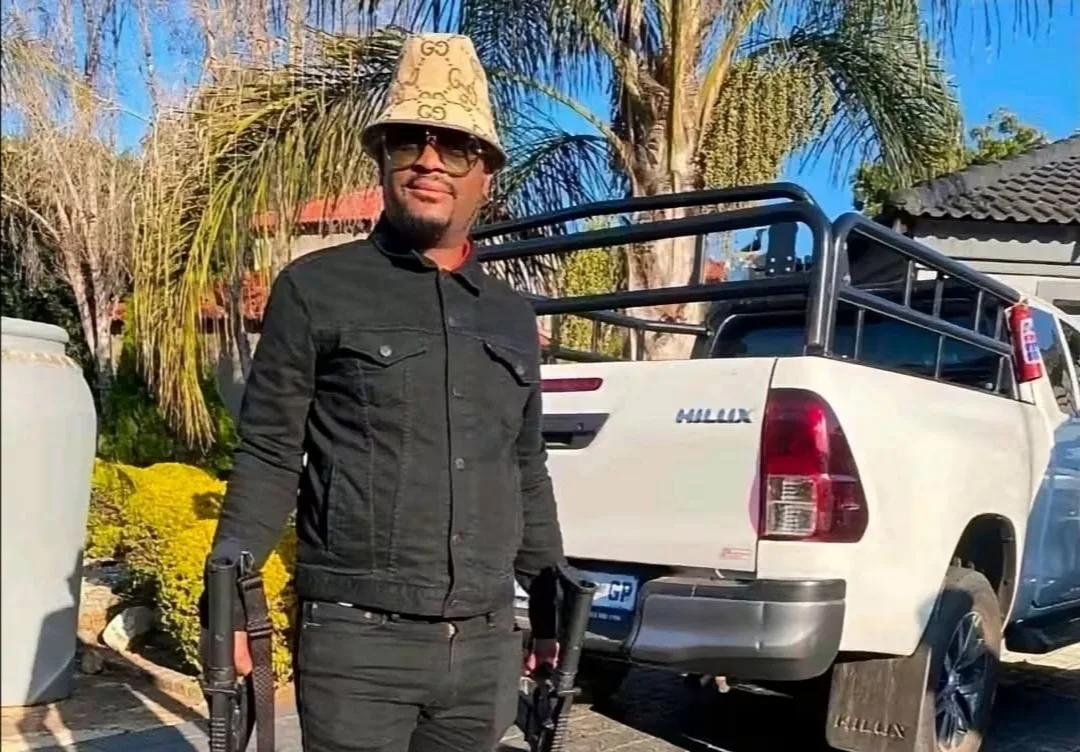
Before the radio recognition, before the music releases and before the No. 1 position, there were piece jobs.
For Shimmy Lucas Mashaba, popularly known as Blazer SA, pursuing an education and building a future meant learning to work with what little was available.
Raised in Moloto, KwaNdebele, Mpumalanga, Mashaba comes from a family where both his parents were unemployed. He says he took on piece jobs while still at school and carries the responsibility of supporting his family, including his brother and sister.
Today, at 37, he is trying to build a sustainable career in the South African music industry. His latest single, Weekend, featuring Miss Hairyness, has reached the No. 1 position on Heidelberg FM's Showdown Top 20, according to information supplied by the artist.
It is the kind of recognition emerging musicians work towards. Yet Mashaba's circumstances have not changed simply because his music is receiving attention.
He still has to finance studio sessions, pay for transport to promotional engagements and handle almost every aspect of his career himself.
His story is therefore not just about a musician reaching the top of a radio chart. It is about the financial realities of pursuing a dream when there is very little room for failure.
WHEN EDUCATION AND MUSIC SHARED ONE LAPTOP
Mashaba's educational journey began at Moloto Primary School before he proceeded to Ndzundza Mabhoko Secondary School, where he completed matric.
After matric, financial constraints prevented him from immediately pursuing tertiary education.
He eventually enrolled at Great Heights College, where he completed a National Certificate in Information Technology.
It was there that music began taking a more serious direction.
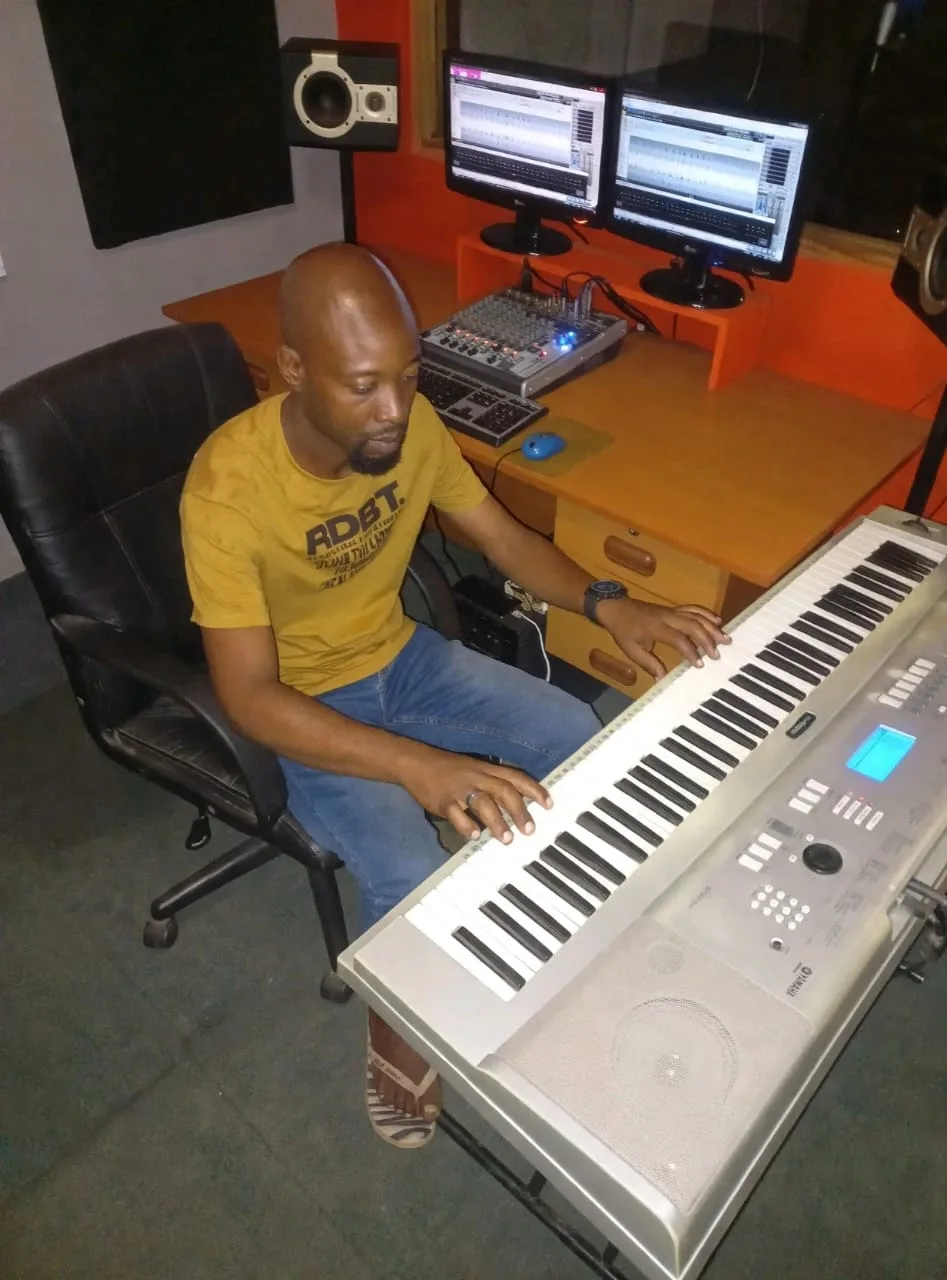
While studying IT, Mashaba used the same laptop for making music. His classmates listened to his work and encouraged him, telling him that he had the qualities of an artist.
That encouragement helped him recognise something he had been developing alongside his studies.
Blazer SA was beginning to take shape.
It was not a conventional entry into the entertainment industry. His musical ambitions developed alongside his attempts to obtain an education and improve his circumstances.
But his relationship with music actually predates his college experience.
A 24-YEAR JOURNEY THAT HAS TAKEN HIM BACK TO MUSIC
Mashaba says his music career began in 2002 when he joined the Kwaito group Findobopha under Groove Master Records, led by DJ Abbas.
More than two decades later, he is pursuing music as a solo artist, drawing from Kwaito, Bacardi and Kwaito-Bacardi.
His 2026 comeback has been accompanied by two releases: the single Weekend featuring Miss Hairyness and the EP Strata Nation (R573), released on 20 September 2026.
The single's reported No. 1 position on Heidelberg FM's Showdown Top 20 has become a significant milestone in his current campaign.
He also identifies Moutse FM, BCR FM, Flere FM and Heidelberg FM among the stations playing his music.
For an independent musician, radio exposure can create opportunities to reach listeners beyond existing social-media audiences. The challenge is converting that attention into consistent bookings, income and long-term industry recognition.
That is the next battle facing Blazer SA.
THE PRICE OF DOING EVERYTHING YOURSELF
Blazer SA describes himself as a 100% independent artist.
He has no management team, no publicist and no record label. He handles his own distribution, bookings and promotional activities.
But independence has financial consequences.
He says raising money for studio time is one of his biggest challenges. Travelling from Moloto to Rustenburg and Pretoria for interviews and promotional opportunities also requires money that he must find himself.
At the same time, he has family responsibilities.
The situation places him in a difficult position: he must invest in a career that could improve his future while continuing to meet the immediate needs of the people who depend on him.
For artists with established management structures, these responsibilities are often distributed across different professionals. For Blazer SA, they largely remain his own responsibility.
His determination is evident, but so is the structural disadvantage of trying to compete in an industry where promotion, production and visibility require money.
HE WANTS A RECORD DEAL, BUT NOT AT THE COST OF HIS MASTERS
Despite operating independently, Mashaba is open to signing with a major record label.
However, he says any agreement must respect his circumstances and the responsibilities he carries towards his family.
There is one condition he particularly emphasises: he does not want to give away ownership of his master recordings.
His position reflects a wider issue in the music business, where record ownership, licensing rights and royalty arrangements can have long-term financial consequences for artists.
He wants the resources and opportunities that a major label could potentially provide, but he also wants to retain control over the recordings he creates.
It is a negotiation he is willing to have, provided the terms are fair.
HE IS OFFERING HIS MUSIC, NOT ASKING FOR A HANDOUT
During September and October 2026, Blazer SA offered promotional performances without charging an artist's performance fee, requesting transport costs instead.
The campaign was designed to promote Weekend and increase his exposure.
His approach is consistent with the way he says he has approached life: find an opportunity, do the work and keep moving.He says he is prepared to undertake any lawful work to finance his ambitions. Having relied on piece jobs to get through school, he is not presenting himself as someone unwilling to work outside music.
He understands that a radio achievement does not automatically pay for studio time, transport or household expenses.
THE REAL TEST BEGINS AFTER THE NO. 1
There is a temptation to view a No. 1 radio position as the arrival point for an emerging artist.
But for independent musicians, a chart milestone can be the beginning of another difficult phase.
Can the artist secure regular bookings? Can the music generate sustainable income? Can radio exposure translate into a larger audience? Can a suitable record deal be negotiated without compromising ownership?
These are the questions that will determine whether the momentum around Weekend becomes a lasting career breakthrough.
Blazer SA has already spent 24 years around music, according to his career history. He is now attempting to turn that experience into a sustainable solo career.
His journey from Moloto Primary School to the recording environment at Great Heights College, and eventually to the top of a radio chart, is a reminder that talent and determination do not remove the financial barriers confronting independent artists.
For now, he is still the artist, promoter, booking agent and administrator of his own career.
He has a song at the top of a radio chart, but no established machinery behind him.
And perhaps that is the most important part of his story: Blazer SA is not claiming to have made it. He is showing what it takes to keep going when the breakthrough has not yet changed the circumstances that made the journey difficult in the first place.
From piece jobs in Moloto to No. 1 on radio, the ambition remains the same: to build a music career without forgetting where he comes from or surrendering what he has worked to create.