
The role of private security companies in South Africa's crime prevention landscape continues to grow. From neighbourhood patrols and armed response to crime prevention partnerships with the South African Police Service (SAPS) and metropolitan police departments, private security personnel have become an increasingly visible presence in communities.
However, an operation in Erasmia, west of Pretoria, has raised important questions about whether all individuals and businesses operating in this sector are meeting the legal requirements expected of them.
On Friday, 13 November 2026, members of SAPS Erasmia, the Tshwane Metropolitan Police Department (TMPD) and several private security companies conducted a high-density crime prevention operation within the Erasmia policing precinct.
During the operation, officers responded to reports of an armed robbery in progress in Lezonia, near Lezonia Primary School, where shots had reportedly been fired.
Upon arrival, police encountered individuals who identified themselves as security officers. However, preliminary investigations reportedly revealed that they could not produce valid registration or identification from the Private Security Industry Regulatory Authority (PSIRA).
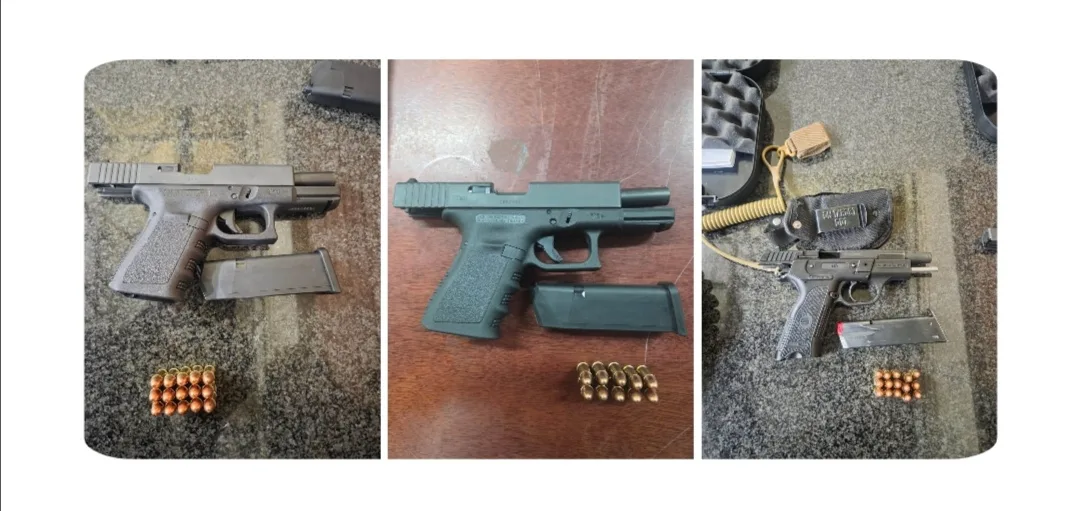
One of the individuals was also allegedly found in possession of a firearm without producing a valid licence or permit.
The situation prompted further investigation after community members alleged that additional firearms were being kept at the residence of the security company owner.
Police followed up on the information and reportedly discovered more firearms at the premises. The weapons were allegedly stored underneath a mattress rather than secured in a prescribed firearm safe.
Two individuals, identified as the security company owner and the person found in possession of a firearm, were arrested.
THE BIGGER ISSUE: REGULATION AND ACCOUNTABILITY
Although the recovery of firearms is significant, the circumstances surrounding the incident raise broader concerns about regulatory compliance in the private security industry.
PSIRA exists to regulate the private security sector, oversee industry standards and ensure that security service providers and security officers meet the requirements for operating lawfully.
Registration and identification are not merely administrative formalities. They help establish whether individuals presenting themselves as security officers are recognised within the regulatory framework.
This becomes particularly important when personnel operate in communities, interact with members of the public and potentially carry firearms.
The firearm issue is equally concerning.
South Africa's Firearms Control Act places obligations on firearm owners and licensed businesses regarding the possession, control and safe storage of firearms.
For security businesses operating under business-purpose firearm licences, proper firearm registers, authorised handling and prescribed storage arrangements form part of the compliance framework.
The alleged discovery of firearms underneath a mattress raises questions about how weapons were being managed, who had access to them and whether the company maintained adequate controls.
THE INDUSTRY CANNOT BE JUDGED BY ONE INCIDENT
Private security companies remain important partners in the fight against crime. Their cooperation with SAPS, metropolitan police departments and community structures can strengthen police visibility and improve responses to criminal activity.
However, partnerships must be built on accountability.
The conduct of operators who allegedly disregard regulatory requirements should not undermine the reputation of legitimate security companies that invest in compliance, training and professional standards.
The incident also raises questions about the effectiveness of inspections and enforcement mechanisms, particularly where firearms are involved.
PSIRA's regulatory responsibilities and SAPS's firearms enforcement responsibilities are important components of ensuring that the industry operates within the law.
WHAT HAPPENS NEXT?
According to SAPS, the confiscated firearms will undergo forensic examination to establish whether they may have been used in other criminal activities.
The arrested individuals face charges relating to possession of unlicensed ammunition, negligent safekeeping of a firearm and alleged contraventions of the PSIRA Act.
They were expected to appear before the Atteridgeville Magistrates' Court on Monday, 16 November 2026.
Several questions remain unanswered, including whether the security company was registered with PSIRA, whether the firearms were licensed to the business, and whether the regulator will conduct a separate compliance investigation.
These questions deserve answers.
Capital Daily News (CDN)Editorial note: The SAPS headline refers to three suspects arrested, but its detailed account identifies only two arrests. This report reflects the two arrests expressly described in the statement. No finding of guilt has been established.