The latest figures represent a 38.6% increase in malaria cases compared with the corresponding period in 2025, when 554 cases and six deaths were recorded.
According to the department, Gauteng recorded 666 malaria cases and seven deaths during the whole of 2025. However, the province has already surpassed those figures in the first nine months of 2026.
MOST DEATHS LINKED TO TRAVEL OUTSIDE SOUTH AFRICA
The department's spokesperson, Steve Mabona, said 15 of the 17 people who died between January and September 2026 had travelled to countries within the Southern African Development Community (SADC).
This represents approximately 88.2% of the reported fatalities.
Mozambique was linked to approximately 59% of the deaths, highlighting the risks associated with travelling to malaria-endemic countries.
Although Gauteng is not classified as a malaria-endemic province, residents remain vulnerable to infection when travelling to areas where the disease is prevalent.
The National Institute for Communicable Diseases (NICD) has previously explained that most malaria cases diagnosed in Gauteng are imported infections, meaning people acquire the disease elsewhere before returning to the province.
WHAT ARE THE WARNING SIGNS?
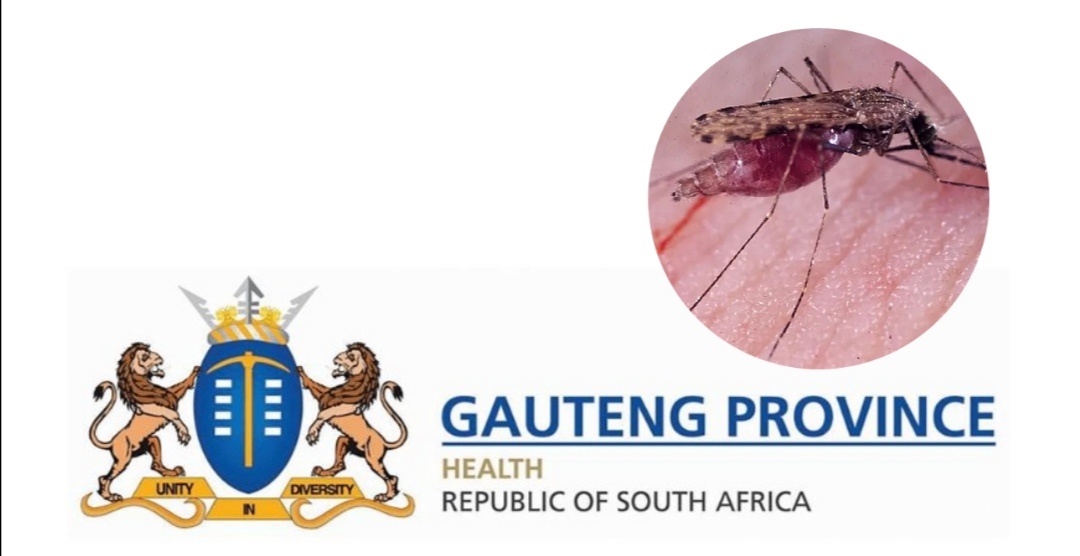
Malaria is transmitted through the bite of an infected female Anopheles mosquito. It can become life-threatening if diagnosis and treatment are delayed.
Common symptoms include: Fever and chills. Headaches. Muscle aches and body pains. Nausea and vomiting. Fatigue and general weakness.
The department advises anyone who develops these symptoms while travelling to, or after returning from, a malaria-endemic area to seek medical attention immediately.
Importantly, patients should disclose their recent travel history to healthcare professionals to assist with early diagnosis.
PREVENTION AND HEALTH ADVISORY
Residents travelling to malaria-risk destinations are encouraged to: Consult a healthcare professional or travel clinic before departure. Obtain appropriate preventive malaria medication where recommended. Use mosquito repellents. Wear protective clothing, particularly during evening and night-time hours. Seek immediate medical attention if symptoms develop, even after returning home.
The department says it has strengthened surveillance and awareness interventions across Gauteng's five health districts. Healthcare workers are also receiving ongoing training to improve the identification and management of suspected malaria cases.